Most business owners don’t wake up excited about SEO.
They wake up worried about leads. Sales. Growth.
Then someone says, “You need SEO,” and suddenly you’re drowning in jargon about crawlers, backlinks, schema, and algorithms.
Let’s slow this down.
SEO is simply the process of helping your website show up when people search for what you sell. That’s it. When someone in Denver types “emergency plumber near me” or a founder searches “project management software for startups,” Google has to decide who deserves that top spot.
And it’s not random.
Why SEO Still Matters (Even With Ads Everywhere)
Paid ads work. I’ve run campaigns where Google Ads delivered leads within hours.
But the second you pause spending, the traffic disappears.
Organic traffic doesn’t behave like that. Strong website seo optimization builds momentum. A page you publish today can generate leads for years if it ranks well and stays relevant.
I’ve seen a Texas HVAC company rank for a high-intent keyword and pull in six figures in new revenue from a single service page. No ongoing ad spend tied to every click. Just steady traffic.
That’s the appeal.
It compounds.
How Google Actually Decides What Ranks
People love to overcomplicate this part. The basics are easier than they sound.
Search engines do three things: they discover content, store it, and then rank it.
First, they crawl. Bots move from link to link, scanning pages. If your internal links are a mess or your site blocks crawlers, you’re invisible.
Then they index. Think of it like Google’s massive digital library. If your page isn’t indexed, it can’t show up. Period.
Finally, ranking happens. When someone types a query, Google sorts through indexed pages and evaluates which one best answers the question. It looks at relevance, authority, usability, and dozens of technical signals.
This is where solid website seo optimization makes the difference. If your pages are unclear, slow, or poorly structured, you’re giving competitors an easy win.
The Three Pillars That Actually Drive Results
You’ll hear people split SEO into categories. That’s helpful — as long as you don’t treat them like isolated silos.
They work together.
On-Page SEO: Clarity Wins
On-page SEO is what you control directly on your site.
Title tags. Headings. Internal links. Keyword alignment. Content depth.
It’s not about stuffing keywords. That stopped working a long time ago. It’s about making it painfully obvious what your page is about and who it’s for.
When we audit sites, one common issue jumps out: pages trying to rank for five different intents at once. Google gets confused. Rankings stall.
Clear focus performs better.
Every time.
Off-Page SEO: Trust From the Outside
You can’t just claim authority. Other sites have to reinforce it.
Backlinks remain one of the strongest ranking factors. When reputable sites link to you, it signals credibility. Reviews and brand mentions matter too, especially for local companies.
I’ve watched businesses with decent content lose to competitors simply because those competitors had stronger backlink profiles.
That’s why even the best seo agencies spend serious time on authority building. Without it, you hit a ceiling.
Technical SEO: The Hidden Foundation
This is the part most people ignore until something breaks.
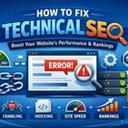
Technical SEO covers site speed, mobile usability, crawlability, structured data, clean URLs, HTTPS, and more. If your site loads in four seconds on mobile, you’re losing visitors before they even read your headline.
You don’t need to become a developer. But you do need to care.
Many growing companies eventually invest in technical seo services once their site scales. It’s common. A startup launches quickly, traffic grows, and suddenly, performance issues appear. Fixing those problems often unlocks ranking gains that content alone couldn’t achieve.
Think of technical SEO like plumbing. When it works, nobody notices. When it fails, everything backs up.
Local SEO: The Game Changer for Service Businesses
If you serve a specific city or region, local visibility can drive the majority of your leads.
Optimizing your Google Business Profile, building consistent citations, and collecting reviews — these aren’t optional anymore. They influence whether you show up in the map pack, which often gets more clicks than traditional organic listings. Many businesses end up investing in local seo services once they realize how much revenue is tied directly to those map results.
A personal injury attorney in Miami doesn’t need national traffic. They need qualified local visibility. That’s a very different strategy from a SaaS company targeting the entire U.S.
Context matters.
What About AI and Search?
AI-driven search tools are changing how answers are displayed, but they still rely heavily on trusted web content.
Clear structure. Strong authority. Reliable sources.
Those fundamentals aren’t going away.
Some of the best seo agencies are already adapting content for AI discovery by tightening entity signals and improving structured data. It’s evolving, yes — but the core principles stay familiar.
Frequently Asked Questions
1. How long does SEO take to see results?
In most U.S. markets, you’re looking at 3–6 months before you see solid ranking and traffic movement. Local businesses in smaller cities can see traction faster. Highly competitive spaces? Longer. SEO builds on itself — the work you do early tends to pay off later.
2. Is it better to hire a pro or handle SEO yourself?
You can absolutely handle the basics if you’ve got time and patience. But experienced pros move faster and avoid costly mistakes, especially in competitive niches. I’ve seen DIY efforts work — and I’ve also seen them stall out when strategy gets complicated.
3. Do I need to understand technical SEO?
You don’t need to be a developer. Knowing the basics — site speed, mobile usability, clean URLs — helps. For deeper fixes, most businesses eventually bring in someone who knows what they’re doing so they can stay focused on growth and content.